New Delhi: Democratising access to AI infrastructure is positioned as a strategic policy priority for India, aimed at making compute, datasets and AI models widely available and affordable beyond a handful of large firms and urban centres.
AI infrastructure is defined across physical layers such as data centres, GPUs, TPUs and supercomputers, and digital layers such as datasets, models, tools and governance frameworks.
India faces a structural imbalance where it hosts nearly 20 percent of the world’s data but only about 3 percent of global data centre capacity, creating dependence on foreign compute resources.
The government has significantly expanded domestic AI capacity through initiatives such as the IndiaAI Mission, National Supercomputing Mission, AIRAWAT, PARAM Siddhi-AI and a national GPU pool offering subsidised compute access.
IndiaAIKosh has emerged as a national repository for datasets and AI models, with thousands of datasets across 20 sectors, enabling permission-based and controlled access.
Language and inclusion are central to India’s AI strategy, with platforms like Bhashini creating datasets and models for Indian languages and local use cases.
A Digital Public Infrastructure approach is proposed to treat AI building blocks as Digital Public Goods, enabling shared access through standardised, interoperable and modular systems.
State governments are playing a growing role through data centre policies, state-level data exchanges and cloud infrastructure, with Telangana, Maharashtra, Tamil Nadu and Karnataka emerging as key examples.
Private sector participation is seen as essential, particularly through public–private partnerships in data centres, GPU services and cloud infrastructure.
Sustainability concerns are flagged as critical, with AI data centres projected to significantly increase electricity consumption, necessitating renewable energy mandates and efficient cooling solutions.
Despite progress, AI adoption remains uneven across sectors such as agriculture, healthcare, education and public services, underscoring the need for targeted access to compute and data.
Access to AI infrastructure, including compute power, data repositories, and model ecosystems, has become a critical determinant of innovation, competitiveness, and governance in the digital economy. Currently, these resources are concentrated in a handful of global firms and urban hubs, thereby limiting equitable participation. For India, democratising access means treating these building blocks as shared resources so that innovators everywhere can participate in shaping the AI age.
The IndiaAI Governance Guidelines report highlights the importance of support from India’s AI governance strategy for greater adoption of AI. The subcommittee places the focus on three enablers: expanding access to high-quality and representative datasets, and providing affordable and reliable access to computing resources, and integrating AI with Digital Public Infrastructure (DPI).
The subcommittee report also underlines the criticality of providing access to foundational resources for mitigating the risks of AI. Thus, democratising access to AI infrastructure becomes a policy priority for India. Globally, several examples illustrate how AI infrastructure can be provisioned with the objective of democratised access. For instance, the United States National AI Research Resource (NAIRR) provides a federated AI cyberinfrastructure through a common access portal, supporting researchers and innovators across institutions
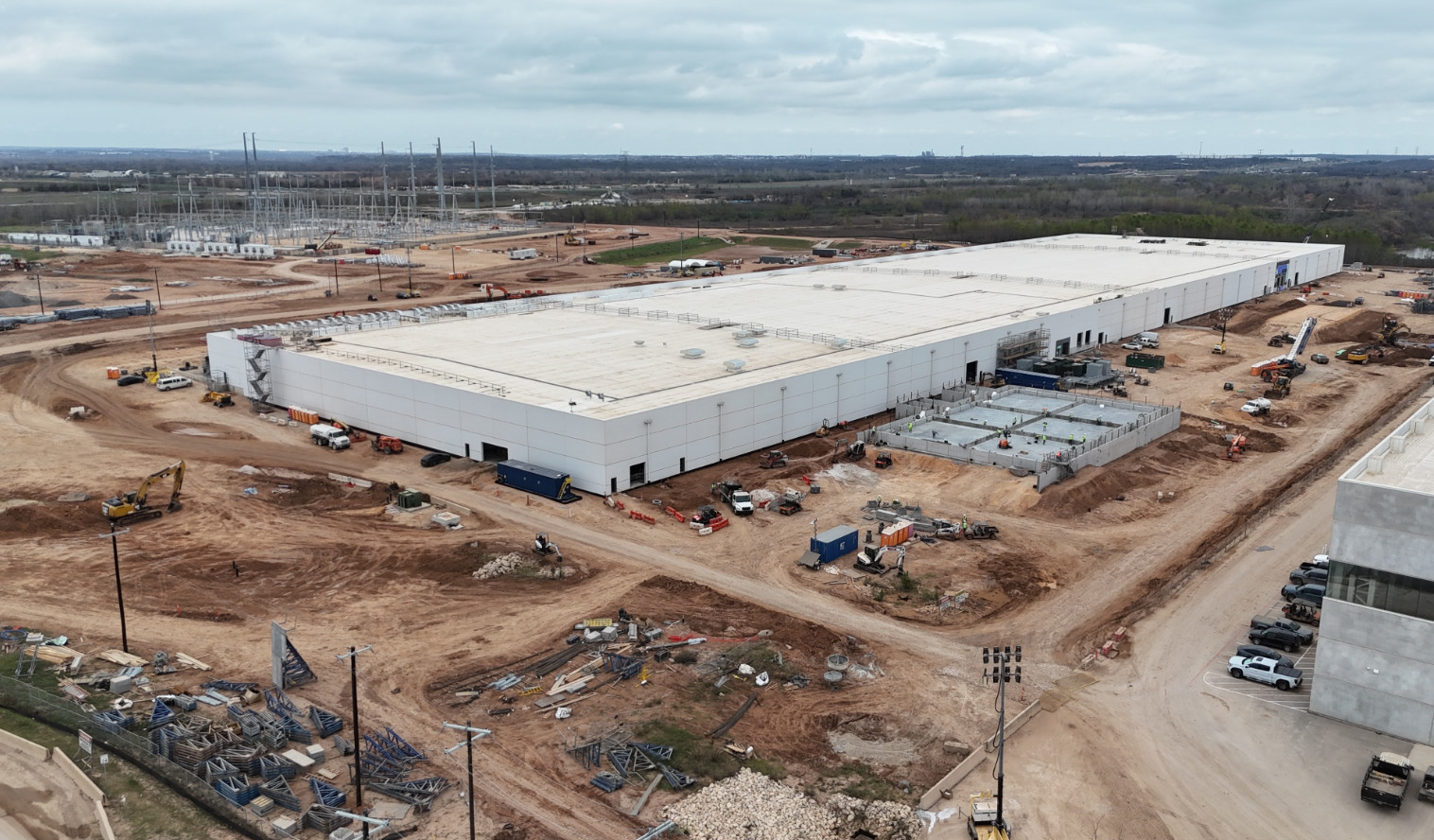
India heading for high energy demand as AI infra builds up


RELATED ARTICLES